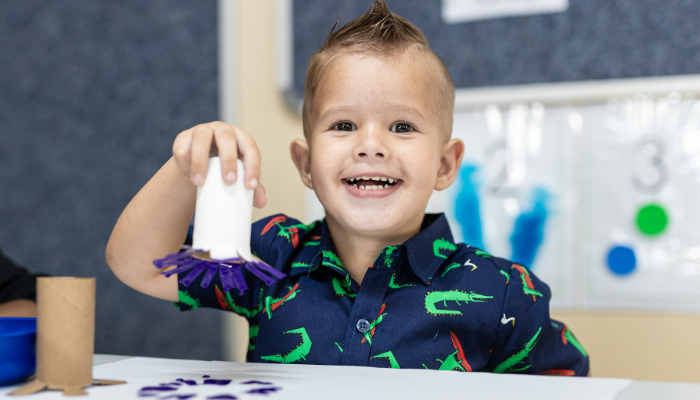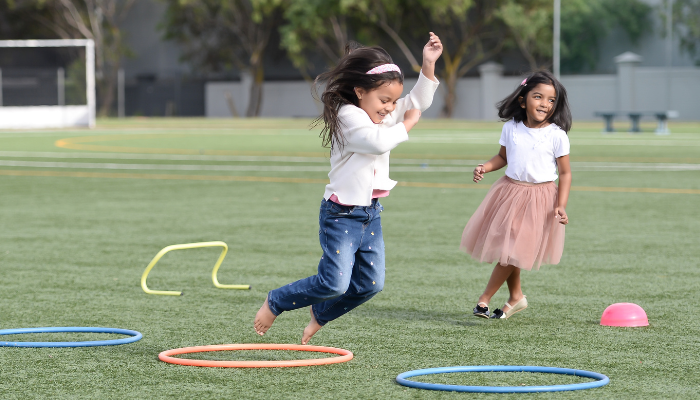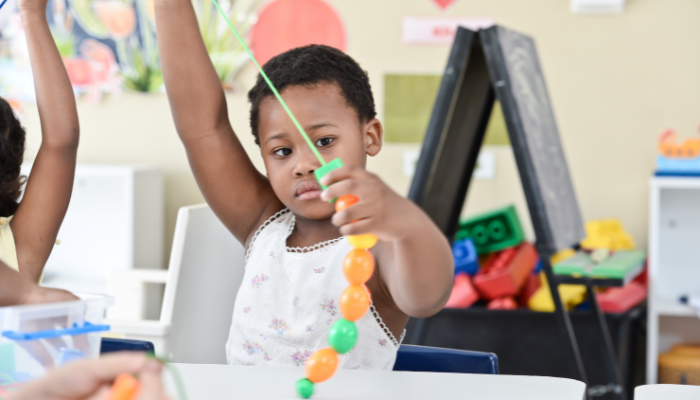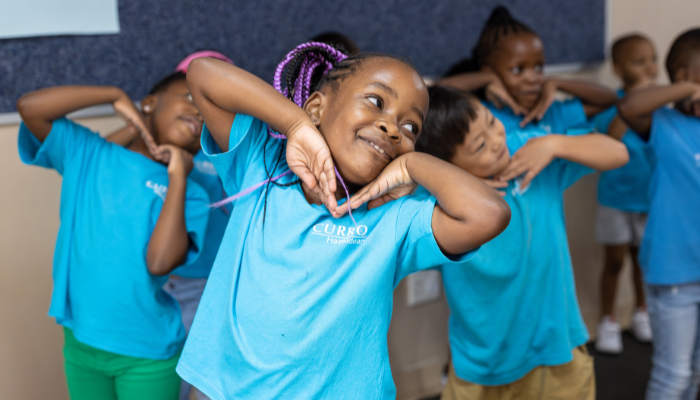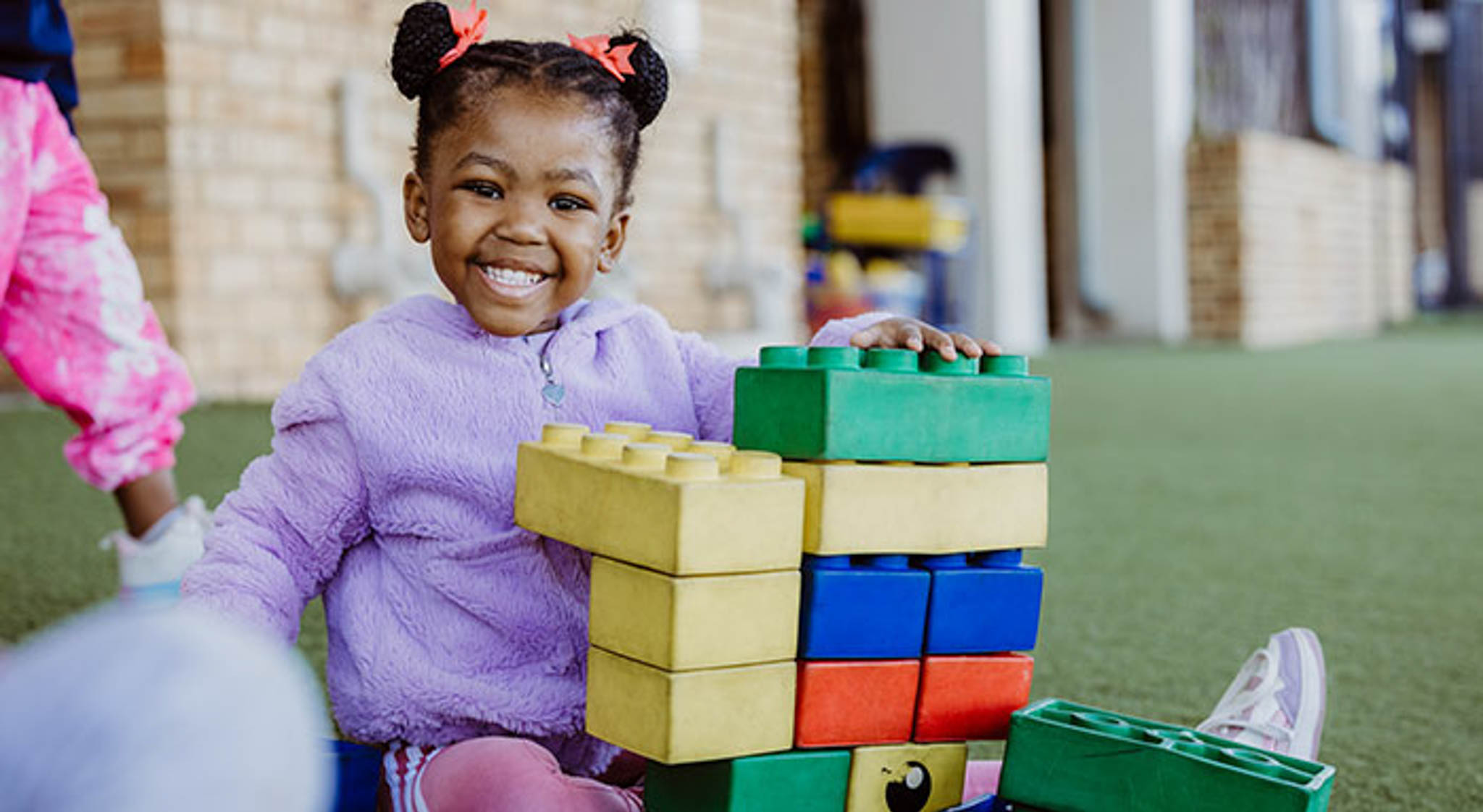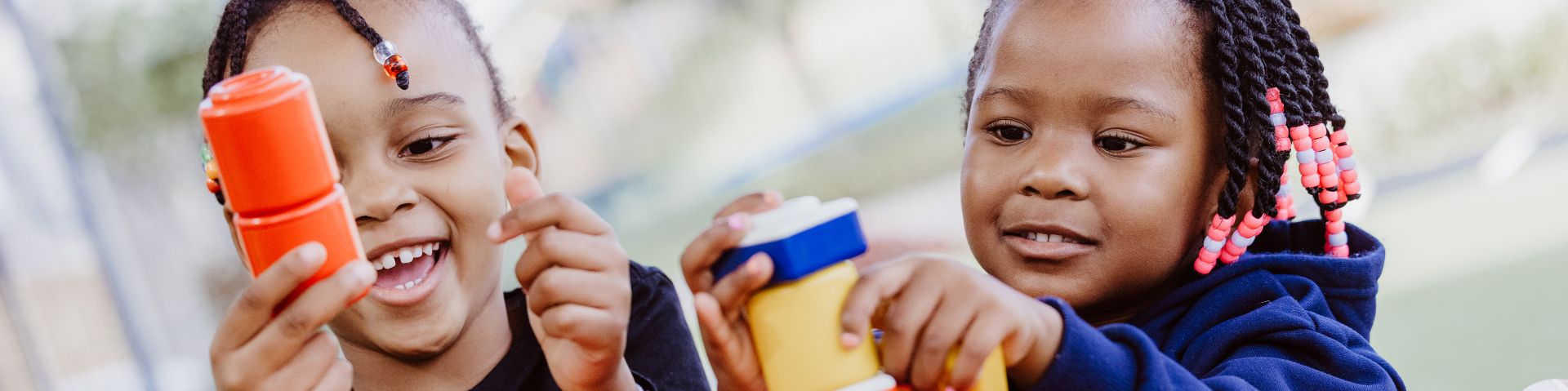
At Curro, we know that a child’s early years lay the foundation for their future. The rapid speed at which they grow, learn, and develop physically, emotionally, and cognitively means that every interaction contributes to their journey. Everything they learn in these early years starts with, and centres around, what they do with their bodies during playful discovery – in other words, letting them run, play, and move their bodies as children should. This, in turn, better prepares them for their future formal learning.
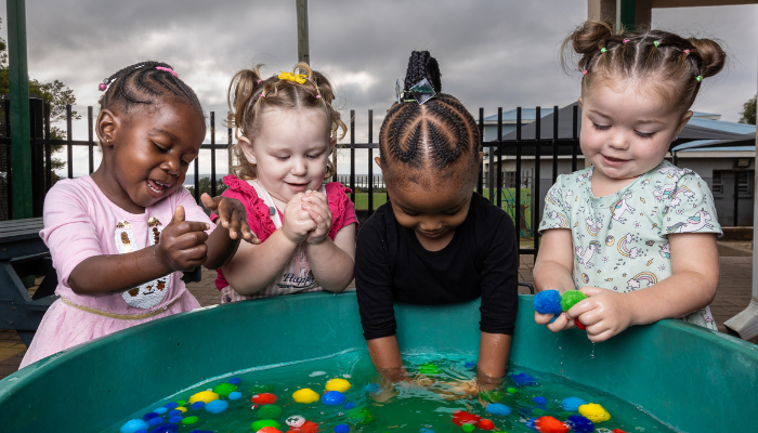
Why is it so important for children to play?
Children learn by discovering the world around them while they play, which forms an integral part of early childhood development. Textures, sounds, shapes, tastes, rhythms, heights, balance, depth perception, up and down, over and under … all of this and more is learned while physically playing with various objects or just using their bodies to explore what they see around them.
This playful discovery in turn lays the foundations for counting, adding and subtracting, writing, reading, problem solving, and everything else they need for succeeding in formal learning which starts in primary school.
Here are just a few examples of how children develop when learning through play:
- Playing with building blocks teaches prepositions, spatial awareness and size differentiation
- Rolling balls on the playground teaches coordination, aim and distance
- Dancing and running teaches balance, physical awareness and gross motor skills
- Climbing and rolling strengthen muscles throughout the body
- Pinching clothing pins to string teaches fine motor skills, open and close and the basics of gripping a pencil
Hear it from our experts:
Why should young children not do formal work yet?
At preschool age, anything that is learned while playing is cemented more quickly and more powerfully than anything learned through formal methods. Sitting on a chair at a table with a pen in their hands diminishes so much development, and places children in a state of academics for which they are emotionally and intellectually not ready. They are deprived of what their bodies and minds are naturally inclined to do at that age: play. This, in turn, causes them to learn less (and more slowly), and they are more prone to anxiety due to the pressure of needing to achieve at such a young age.
In other words, when young children are allowed to play, they gain the tools and basic knowledge necessary for successful formal learning later on. This is why an approach of playful discovery during early childhood development is crucial.
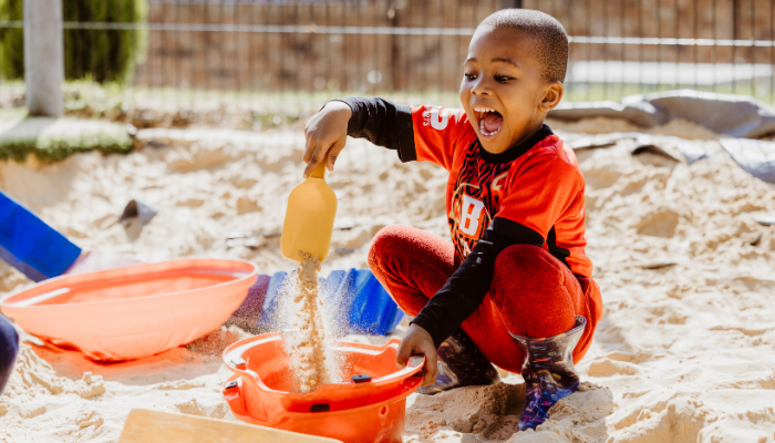
Why should children still play in Grade R?
At Curro, we know that 6-year-old children still have great need for emotional and physical development gained through, before shifting the focus to formal learning. They need to still mature and prepare emotionally for the structure of sitting and writing at a table and the new experience of focusing on academics.
This is why Grade R still involves a lot of play, but with a layer of formal learning. Writing, reading, counting … all of this starts with a strong foundation of learning through play. Our experts often speak of 'from the mat to the book'. This means that we take a concept to learn from the workbook and have children explore it through playful discovery with real-life objects on the mat. Once they understand the tangible concept, they move to the table to complete the activity in the workbook.
You might not see workbooks filled with writing come home, but as we move through the year we use playful discovery to cover the entire Grade R curriculum with great success – and your child will be ready to take on Grade 1 with confidence.
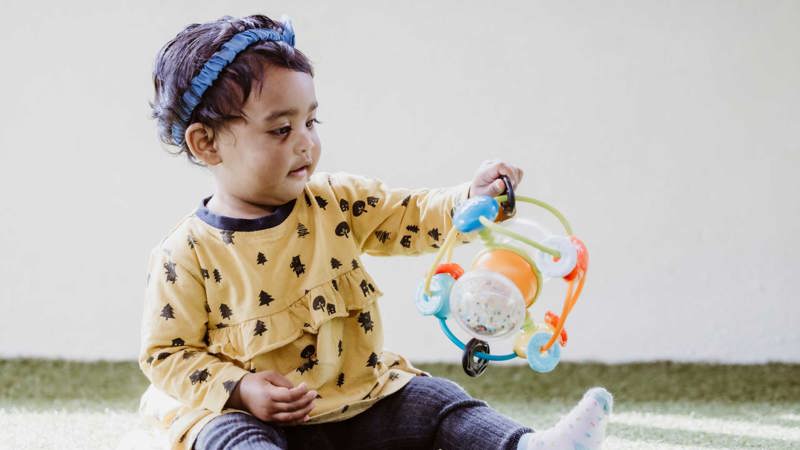
Why should young children rather not sit on chairs yet?
The importance of movement and play has been well highlighted in this article. But how does this relate to sitting? And what is the difference between sitting on a chair and sitting on the ground? It's still sitting, right? Actually, true readiness for sitting on chairs doesn't begin with a desk – it begins with the whole body. Their upper legs, neck, shoulders, arms, stomach, wrists, and – maybe most importantly – their lower back, need to be strong enough to stay upright. Also, emotionally, they need to be patient and calm enough to sit still long enough to learn – and this is typically not the case until they are 6 or 7 years old.
By sitting on the ground and moving around, children's muscles grow strong and they learn how to control their bodies. Then, when it's time to transition to chairs, they are able to sit upright (and sit still) with little frustration. Our experts call this being 'fit enough to sit'. However, if they do so before their bodies are ready, they might wiggle around, slump forward on the desk, struggle to write, and not concentrate – because their minds are distracted by their bodies. This has an impact on their learning, and on their bodies in the long term.
Have a read through this interesting booklet, created by our team of experts, which shares more information about this.